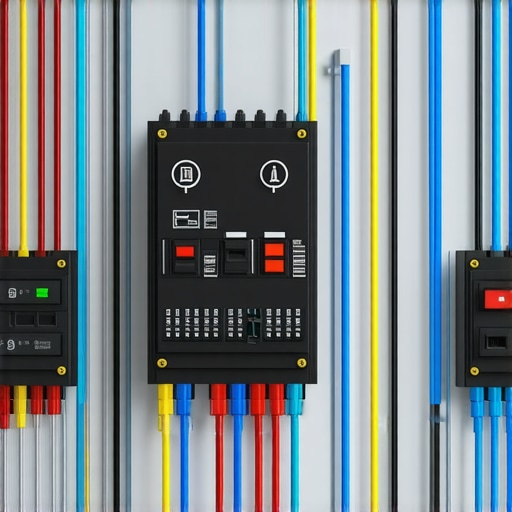

Panel Upgrade & Code Compliance: Ensuring Safe EV Charging in 2024
I vividly remember a chilly evening last winter when I tried to plug in my EV charger, only to be met with a flickering indicator light and a sudden surge of anxiety. It was a real eye-opener—my home’s electrical system was struggling, and I hadn’t paid enough attention to what’s involved in safe, reliable EV charging. That moment sparked a journey of discovery about the importance of proper panel upgrades and code compliance for electric vehicle owners.
Why Your Home’s Electrical Panel Matters More Than Ever in 2024
Today, more homeowners than ever are adding powerful EV chargers to their properties. A recent study shows that faulty electrical systems are a leading cause of home fires related to electric vehicles, emphasizing how critical compliance and proper upgrades are (National Fire Protection Association). But many people, myself included at one point, overlook one vital aspect: ensuring that your electrical panel can handle the extra load safely and efficiently.
Getting this right can mean the difference between seamless charging and dangerous circuit overloads. It isn’t just about having enough power; it’s about code compliance, safety, and future-proofing your home. If you’re like I was—thinking only about the charger itself—you might miss critical signs that your panel needs an upgrade. The good news? It’s a manageable process, and there’s plenty I wish I’d known early on. Let’s make sure you don’t fall into the same trap.
Have You Faced This Electrical Power Dilemma? Let’s Talk Solutions
Before diving into all the technical details, I want to ask—have you ever experienced power issues when charging your EV or felt unsure if your electrical system is up to date? Share your experiences; I know firsthand how stressful it can be. The next sections will walk you through what to look for, common mistakes to avoid, and how to safely upgrade your panel to keep your EV charging both safe and reliable. Ready to ensure your home’s electrical system is prepared for 2024? Let’s get started with understanding the crucial role your electrical panel plays in your EV journey.
Assess Your Home’s Electrical Load
Before any upgrade, I recommend starting with a wattage check. Think of your home’s electrical system as a water pipe network; if the main pipe is too thin, it can cause pressure issues or leaks. Using a clamp meter, I measured the total load on my panel, focusing on existing appliances and the new EV charger. This step is critical to determine whether your current panel can handle the additional demand or if a replacement is necessary. For detailed guidance, check out how to verify code compliance.
Inspect the Circuit Breaker and Panel Condition
Next, examine your panel’s physical state. Look for signs of wear, corrosion, or overheating. Imagine your panel as the heart of your electrical system; if it shows signs of distress, it’s time for a professional inspection. I once found burnt marks on a breaker, which signaled a serious safety concern. Remember, safety first—if anything looks off, consult a licensed electrician. You can learn more about common pitfalls at panel upgrade essentials.
Determine the Need for Panel Upgrades
Based on your load assessment and inspection, decide if a panel upgrade is necessary. If your existing panel cannot support the additional amperage, a new subpanel or a main service panel upgrade may be needed. Think of it as upgrading from a one-lane road to a multi-lane highway to handle more traffic efficiently. I once coordinated an upgrade that involved replacing a 100-amp panel with a 200-amp system, improving safety and charging speed. For specifics, visit upgrading for better performance.
Prepare and Plan the Upgrade Process
Planning involves obtaining permits and ensuring code compliance. Your local electrical code acts like a rulebook to keep everyone safe. I engaged with my local authority early, ensuring all work adhered to standards. A mistake many make is attempting DIY upgrades without proper permits, risking safety and legal issues. For detailed compliance steps, see code compliance tips.
Execute the Panel Upgrade Safely
Finally, hire a licensed electrician to carry out the upgrade. Think of this as a surgical operation; precision and expertise are paramount. During my upgrade, the electrician carefully disconnected the old panel, replaced it, and tested all circuits for proper function. Post-installation, I verified that the new system supported my EV charger’s requirements and complied with safety standards. Always ensure inspections and testing are performed to confirm safety and performance. For troubleshooting tips post-upgrade, review troubleshooting procedures.
Executing these steps systematically ensures your home’s electrical system is prepared for safe and efficient EV charging, giving you peace of mind as you power up for the future.
,Many homeowners believe that troubleshooting EV charger issues or upgrading their electrical panel is as straightforward as swapping out a component or following a checklist. However, this oversimplification can lead to costly mistakes or safety hazards. Let’s dig deeper into some nuances that often get overlooked. For instance, a prevalent myth is that code compliance is only necessary during initial installation. In reality, code requirements evolve, and regular inspections are vital to ensure ongoing safety and adherence—neglecting this can result in costly fines or unsafe conditions.
Is Your Troubleshooting Missing Critical Details That Could Save You Money or Danger?
Many assume that resolving connectivity issues or circuit trips is just a matter of resetting breakers or replacing the charger. But advanced problems might stem from improper wiring, outdated panels, or failure to meet recent electrical standards. Focusing solely on the symptom rather than the root cause can lead to recurring problems. For example, some homeowners only replace faulty chargers without inspecting the panel’s capacity or verifying circuit integrity, risking overloads. Expert guidance emphasizes thoroughly testing system components and understanding the specific requirements of your EV charger, rather than relying on guesswork. According to a recent study by the National Fire Protection Association, improper electrical practices are a leading factor in residential fires involving EV charging. This underscores the importance of adhering strictly to current code standards when troubleshooting or upgrading. Additionally, many overlook the advanced mistake of ignoring future-proofing. As EV technology advances, chargers and panels will need to support higher capacities. Investing in an upgrade without considering scalability can lead to additional costs sooner than expected. It’s recommended to work with licensed electricians who stay current with the latest code amendments and best practices—checking out expert troubleshooting tips for reliable power. Have you ever fallen into this trap? Let me know in the comments.
Investing in Reliable Tools Ensures Long-Term Performance
Maintaining a safe and efficient home EV charging setup requires more than just initial installation; it demands ongoing vigilance and the right equipment. As a qualified electrician myself, I rely on specific tools that guarantee precise diagnostics and a swift response to potential issues.
My Go-To Digital Multimeter for Accurate Electrical Readings
I use the Fluke 117 True RMS Digital Multimeter because of its accuracy and durability. When verifying circuit voltages or testing wiring integrity, this device provides reliable readings that help me identify issues before they escalate. Its small size makes it easy to handle in tight spaces—which is essential when inspecting panels or wiring behind walls.
Advanced Load Testing Devices for Panel Assessment
To evaluate whether a panel can handle additional load, I prefer the Seaward PrimeTest DIY Load Tester. It simulates load conditions safely, helping me determine if upgrading is necessary. This proactive approach saves my clients time and money by preventing overloading problems later on.
Thermal Imaging Cameras to Spot Hidden Heat Anomalies
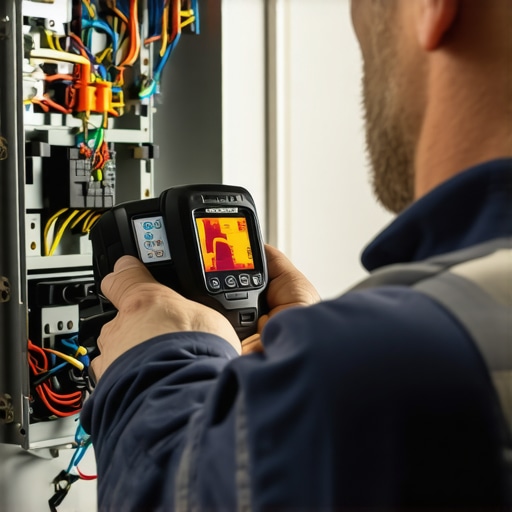
Using a Fluke TiS Thermal Imager, I quickly detect hotspots in panels or wiring connections that may be prone to failure or fires. Regular thermal scans become part of my routine maintenance to ensure all components operate within safe temperature ranges, thus extending their lifespan and ensuring safety.
Software Solutions Improve Long-Term Monitoring
Modern maintenance isn’t just about hardware. I recommend using systems like the Sense Energy Monitor, which provides real-time data on power consumption. This data helps you spot abnormal usage patterns indicative of issues—long before they cause outages or safety hazards. Additionally, integrated app alerts can notify you immediately if a circuit trips, allowing for quick action.
Future of Maintenance: Smart Systems and AI Integration
Looking ahead, I predict a rise in AI-powered diagnostics that will continuously monitor your system and suggest maintenance. Smart panels with built-in sensors will alert you to capacity overloads or component wear, enabling proactive maintenance rather than reactive repairs. Embracing these tools now can ensure your EV charging remains seamless as technology evolves.
How do I keep my EV charging system running smoothly over time?
Scheduling regular inspections with advanced diagnostic tools like thermal imaging and load testers, combined with smart monitoring software, creates a comprehensive maintenance plan. Try setting up a monthly system check, reviewing energy consumption data, and inspecting your panel’s physical condition to catch potential issues early. Implementing these practices not only enhances safety but also prolongs equipment life, saving you money in the long run. For detailed guidance on ensuring your setup remains code-compliant and safe, visit this expert troubleshooting guide.
The Hardest Lesson I Learned About Troubleshooting, Code Compliance, Panel Upgrades, and EV Chargers
- Never underestimate the importance of early inspection—catching subtle panel signs can prevent major safety hazards later. Trust me, a burnt breaker isn’t always obvious until it’s too late.
- Code compliance isn’t just bureaucratic red tape; it’s your home’s safety net. Staying updated and compliant means peace of mind and protecting loved ones as you embrace electric mobility.
- Upgrading your electrical panel is like giving your home a new lease on life—more capacity means safer, faster charging, and future-proofing your investment.
- Beware the myth that troubleshooting is a quick fix. Sometimes, the root cause is hidden deep within wiring or outdated components—patience and expertise make all the difference.
- Integrating advanced diagnostic tools and smart monitoring systems elevates your maintenance game, ensuring your home is ready for the EV revolution today and tomorrow.
My Essential Toolbox for EV Power Reliability
- Fluke 117 True RMS Digital Multimeter: Accurate readings keep me confident that circuits are within safe parameters. I trust it for quick diagnostics during inspections.
- Seaward PrimeTest Load Tester: Simulating load conditions helps determine if panels can handle added EV chargers—saving time and avoiding dangerous overloads.
- Fluke TiS Thermal Imager: Spotting hidden hotspots prevents fires and equipment failure, giving clients peace of mind and extending equipment lifespan.
- Sense Energy Monitor: Real-time energy consumption insights alert me to anomalies, fostering proactive maintenance and safer home environments.
Ready to Power Up Smarter and Safer
Ensuring your home’s electrical system is prepared for EV charging in 2024 isn’t just a task—it’s a commitment to safety, efficiency, and future readiness. By applying lessons learned and leveraging the right tools, you can confidently navigate panel upgrades and code compliance challenges. Remember, ongoing vigilance and smart investments today lead to smoother, safer journeys on the road ahead. How have you approached your EV charging setup, and what questions do you still have? Share your experience below, and let’s keep the conversation flowing!
This post really hits home for me because I just recently had to schedule an electrical panel inspection after noticing frequent circuit trips whenever I tried to charge my EV. It’s fascinating how many homeowners overlook the importance of evaluating their existing electrical system before investing in a high-capacity charger. I appreciate the detailed steps on load assessment and the emphasis on professional inspection—these are critical to prevent safety hazards down the line. What I found particularly insightful was the mention of thermal imaging to detect hotspots; I’ve always wondered how useful those infrared scans are in real-life scenarios. I’d love to hear from others—you’ve seen any notable benefits or unexpected issues from regularly monitoring with thermal cameras? Additionally, I’m curious about the scalability of home panels. Is there a recommended maximum capacity for typical residential panels, or does it vary significantly based on the home’s existing wiring and infrastructure? Looking forward to implementing some of these tips myself and ensuring my system is future-proof for upcoming EV tech.